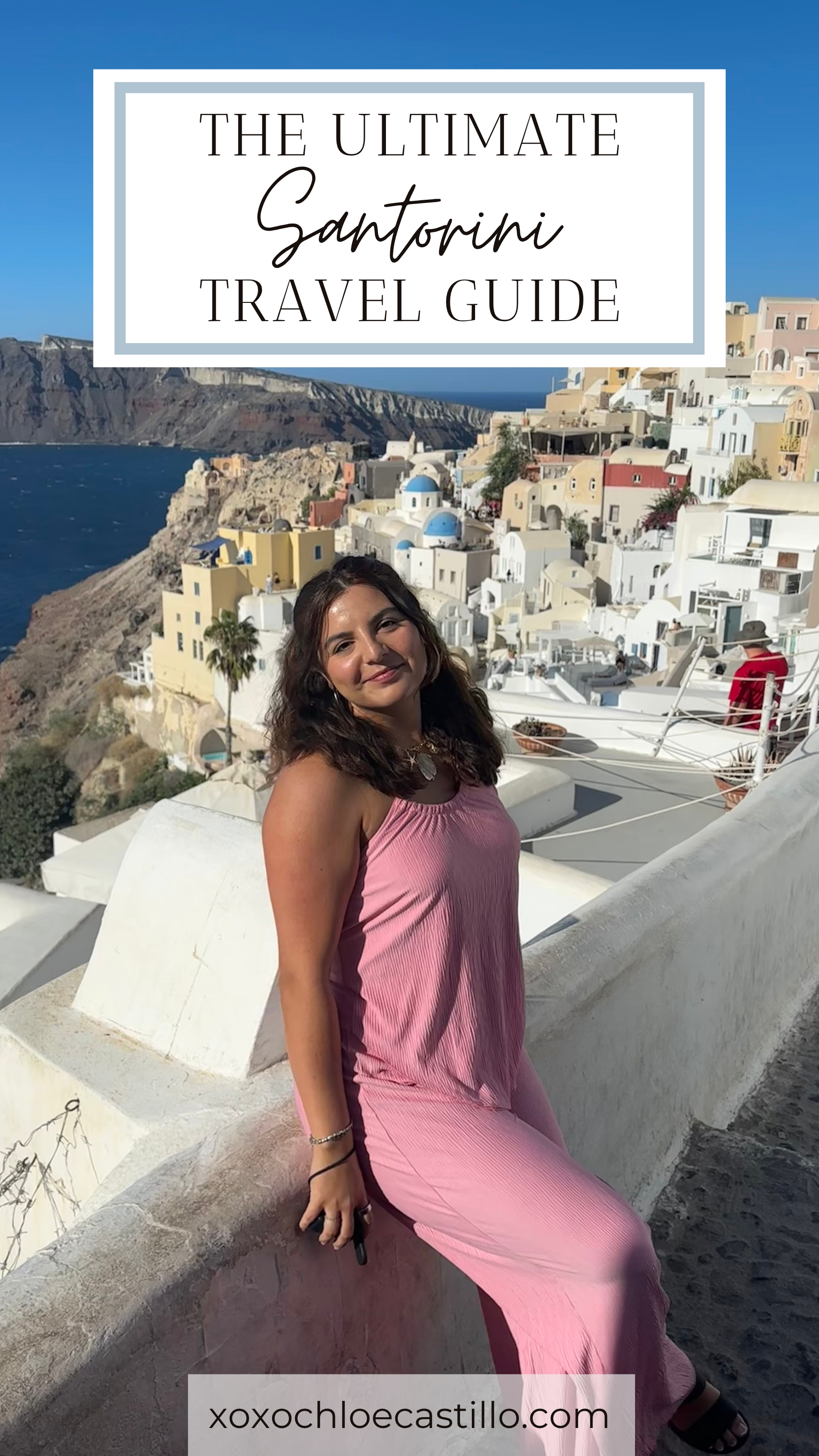




Greece: Where ancient history, island life, and unforgettable food come together

Greece is one of those destinations that somehow manages to feel both timeless and wildly exciting at the same time. From wandering ancient ruins in the heart of Athens to watching the sun melt into the Aegean Sea from volcanic cliffs, every stop feels like a moment you’ve seen in photos… and somehow even better in real life.

My first trip to Greece was a 16-day September adventure through Naxos, Santorini, Milos, and Athens, and it completely exceeded my expectations. We island-hopped through the Cyclades, spent slow mornings by the sea, explored charming villages, and balanced beach days with cultural experiences like a hands-on cooking class and winery visits. One day we were sailing on a catamaran past dramatic coastlines, and the next we were strolling cobblestone streets, eating the best meals of our lives.

September turned out to be the sweet spot: fewer crowds, comfortable weather, and a more relaxed, local feel that made the entire trip feel authentic and unrushed.

This Greece travel guide pulls together everything I learned from that trip — from which islands are actually worth visiting, to where to stay, what to eat, and how to plan an itinerary that doesn’t feel rushed or overwhelming.

Whether you’re planning your first visit or coming back to explore deeper, Greece has a way of slowing you down in the best possible way. It’s not just a destination — it’s a rhythm. Long lunches by the water, golden sunsets, winding streets, and moments that make you pause without realizing it.

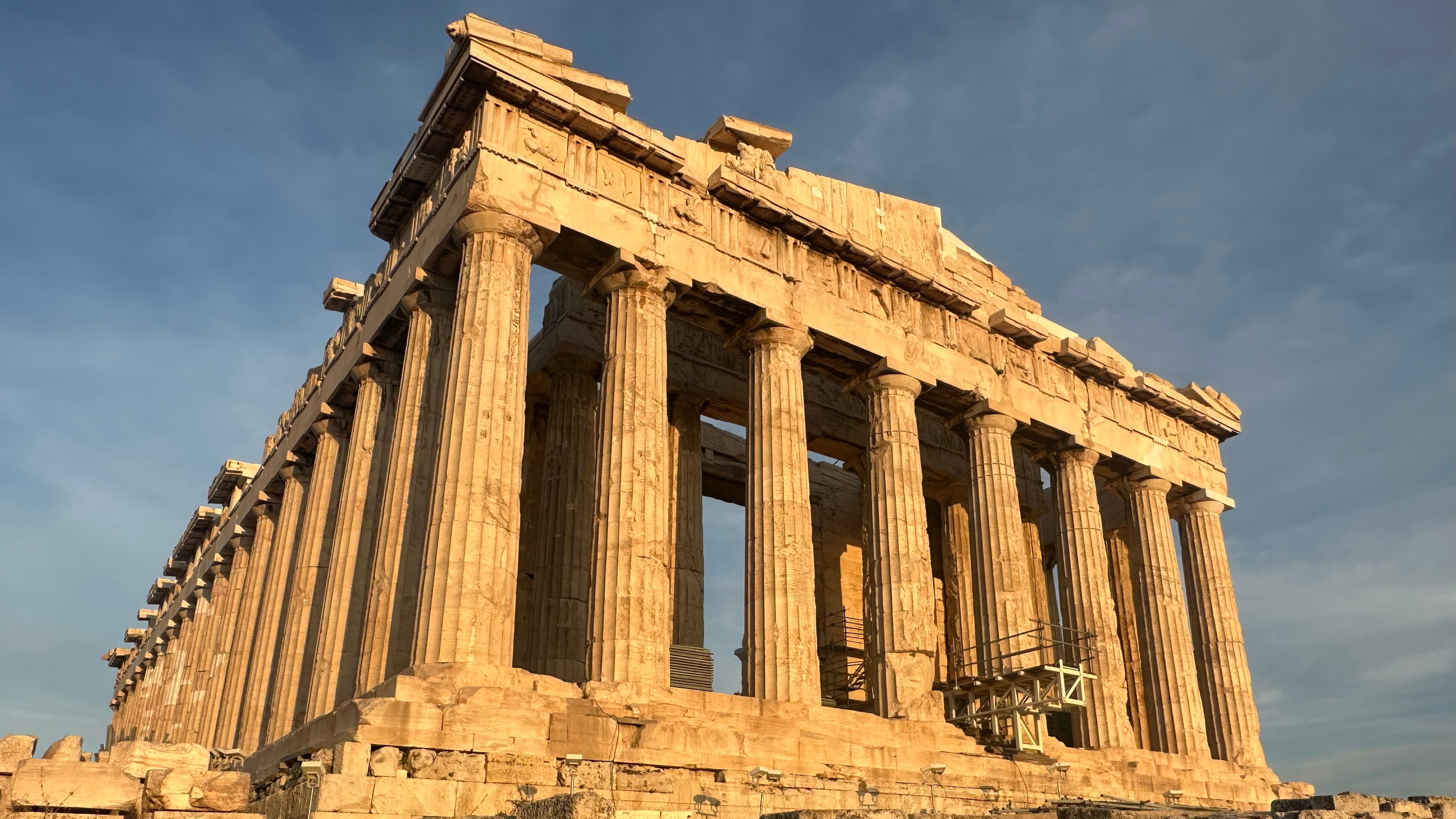
DESTINATIONS

Best Time to Visit Greece

Greece is beautiful year-round, but the best time to visit for most travelers is during the shoulder season, specifically late spring (May–June) and early fall (September–October).

Shoulder season is the period between peak and off-season travel, and it offers the best balance of weather, crowds, and cost. You’ll still get warm, sunny days, but without the intense summer heat or overwhelming crowds that July and August bring, especially in popular destinations like Santorini.

I personally traveled in September, and it was ideal:

  • Daytime temperatures were comfortable for sightseeing
  • The sea was still warm enough to swim (especially early September)
  • Significantly fewer crowds compared to summer
  • Better hotel availability and pricing
  • A more relaxed, local atmosphere on the islands

Peak summer (July–August) brings hot weather and heavy crowds, especially in Santorini, while winter is quieter and best suited for cities like Athens rather than island hopping.

What to Expect in Greece

Greece is welcoming, easy to navigate, and very traveler-friendly—especially for first-time visitors to Europe.

Language: Greek is the official language, but English is widely spoken, especially in tourist areas, hotels, restaurants, and transportation hubs. Learning a few basic phrases like hello (yia sas) and thank you (efharistó) is always appreciated.

Currency: Greece uses the Euro (€).

Credit Cards & ATMs: You’ll find ATMs all over Greece. Every major town and city has several, and all inhabited islands have at least one ATM, making it easy to withdraw cash when needed. Credit cards are widely accepted at shops, restaurants, and hotels, especially in tourist-friendly areas. However, smaller tavernas, beach bars, or cafés may occasionally prefer cash.

Pro tip: Use a no-foreign-transaction-fee credit card if you have one, and always carry a small amount of cash just in case.

Plugs & Electricity: Greece uses Type C and Type F plugs with a standard voltage of 230V and frequency of 50Hz. I recommend bringing a universal travel adapter (with surge protection). If you plan to use hot tools like hairdryers or curling irons, consider a voltage converter to avoid damaging your devices.

Safety: Greece is considered a very safe country for travelers.

  • Violent crime is rare
  • Pickpocketing can occur in crowded tourist areas (Athens metros, busy viewpoints)
  • Normal travel awareness is all that’s needed
  • Solo travelers, couples, and first-time international travelers generally feel very comfortable
Best Time to Visit Greece

Greece is beautiful year-round, but the best time to visit for most travelers is during the shoulder season, specifically late spring (May–June) and early fall (September–October).

Shoulder season is the period between peak and off-season travel, and it offers the best balance of weather, crowds, and cost. You’ll still get warm, sunny days, but without the intense summer heat or overwhelming crowds that July and August bring, especially in popular destinations like Santorini.

I personally traveled in September, and it was ideal:

  • Daytime temperatures were comfortable for sightseeing
  • The sea was still warm enough to swim (especially early September)
  • Significantly fewer crowds compared to summer
  • Better hotel availability and pricing
  • A more relaxed, local atmosphere on the islands

Peak summer (July–August) brings hot weather and heavy crowds, especially in Santorini, while winter is quieter and best suited for cities like Athens rather than island hopping.

What to Expect in Greece

Greece is welcoming, easy to navigate, and very traveler-friendly—especially for first-time visitors to Europe.

Language: Greek is the official language, but English is widely spoken, especially in tourist areas, hotels, restaurants, and transportation hubs. Learning a few basic phrases like hello (yia sas) and thank you (efharistó) is always appreciated.

Currency: Greece uses the Euro (€).

Credit Cards & ATMs: You’ll find ATMs all over Greece. Every major town and city has several, and all inhabited islands have at least one ATM, making it easy to withdraw cash when needed. Credit cards are widely accepted at shops, restaurants, and hotels, especially in tourist-friendly areas. Smaller tavernas or cafés may occasionally prefer cash.

Pro tip: Use a no-foreign-transaction-fee credit card if you have one, and always carry a small amount of cash just in case.

Plugs & Electricity: Greece uses Type C and Type F plugs with a standard voltage of 230V and frequency of 50Hz. Bring a universal travel adapter (with surge protection). If you plan to use hot tools like hairdryers or curling irons, consider a voltage converter.

Safety: Greece is considered a very safe country for travelers.

  • Violent crime is rare
  • Pickpocketing can occur in crowded tourist areas (Athens metros, busy viewpoints)
  • Normal travel awareness is all that’s needed
  • Solo travelers, couples, and first-time international travelers generally feel very comfortable

Best Time to Visit Greece

Greece is beautiful year-round, but the best time to visit for most travelers is during the shoulder season, specifically late spring (May–June) and early fall (September–October).

Shoulder season is the period between peak and off-season travel, and it offers the best balance of weather, crowds, and cost. You’ll still get warm, sunny days, but without the intense summer heat or overwhelming crowds that July and August bring, especially in popular destinations like Santorini.

I personally traveled in September, and it was ideal:

  • Daytime temperatures were comfortable for sightseeing
  • The sea was still warm enough to swim (especially early September)
  • Significantly fewer crowds compared to summer
  • Better hotel availability and pricing
  • A more relaxed, local atmosphere on the islands

Peak summer (July–August) brings hot weather and heavy crowds, especially in Santorini, while winter is quieter and best suited for cities like Athens rather than island hopping.

What to Expect in Greece

Greece is welcoming, easy to navigate, and very traveler-friendly—especially for first-time visitors to Europe.

Language: Greek is the official language, but English is widely spoken in tourist areas, hotels, restaurants, and transportation hubs. A few phrases like hello (yia sas) and thank you (efharistó) are appreciated.

Currency: Greece uses the Euro (€).

Credit Cards & ATMs: ATMs are widely available, and credit cards are accepted in most shops, restaurants, and hotels. Smaller tavernas or cafés may prefer cash.

Pro tip: Use a no-foreign-transaction-fee credit card and carry a small amount of cash just in case.

Plugs & Electricity: Greece uses Type C and Type F plugs (230V, 50Hz). Bring a universal adapter with surge protection. Consider a voltage converter for hot tools.

Safety: Greece is considered very safe for travelers.

  • Violent crime is rare
  • Pickpocketing can occur in crowded tourist areas
  • Normal travel awareness is sufficient
  • Solo travelers, couples, and first-time international visitors generally feel comfortable

Greece is one of those places that stays with you long after you leave. Whether you’ve dreamed of cliffside sunsets, clear blue waters, or wandering ancient ruins, this guide is here to help you experience Greece in a way that feels both exciting and effortless. Use this page as your starting point, explore each destination and travel guide, and start planning a trip you’ll never forget.

xoxo, Rainbow Illustration

Scroll to Top