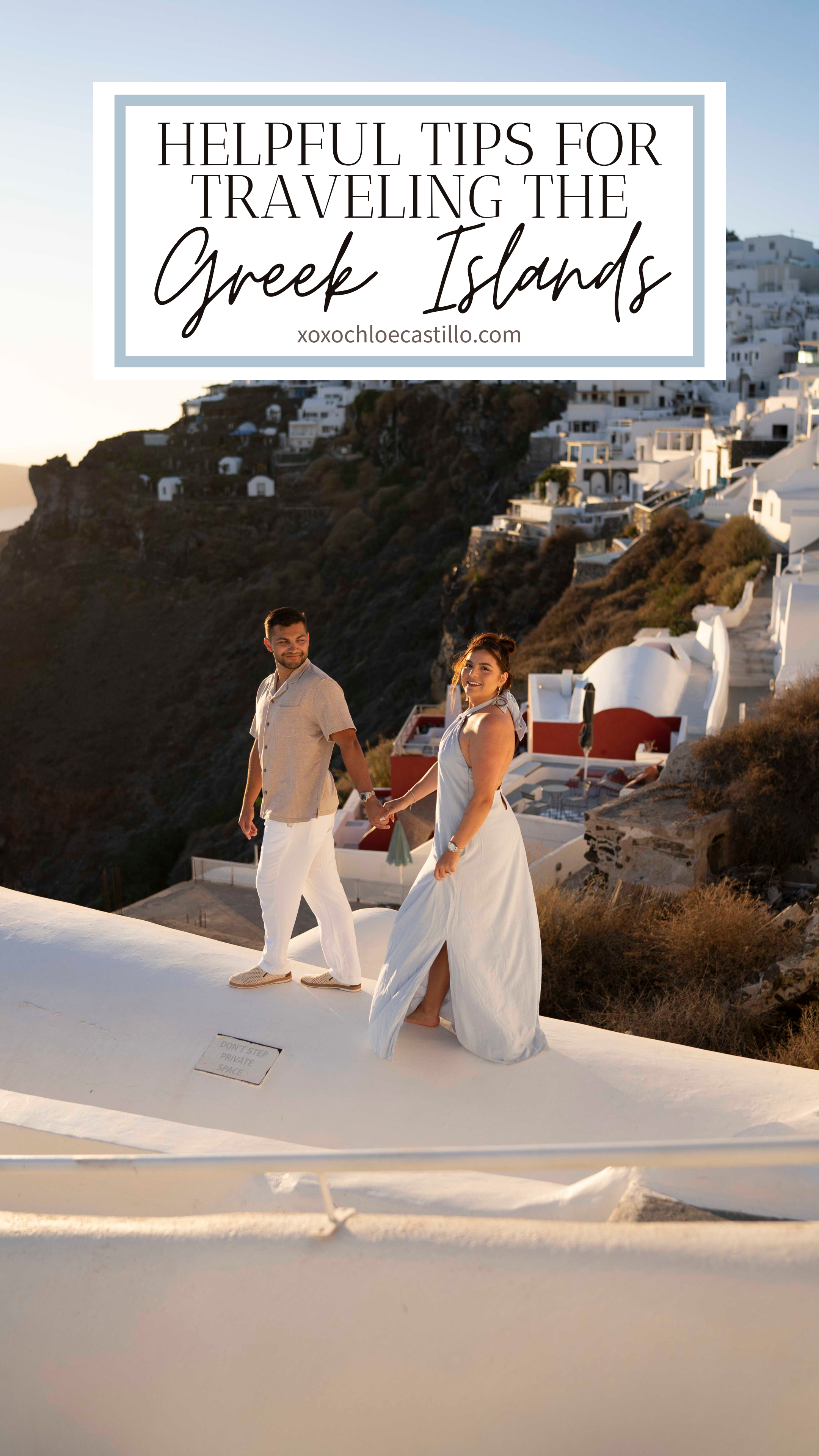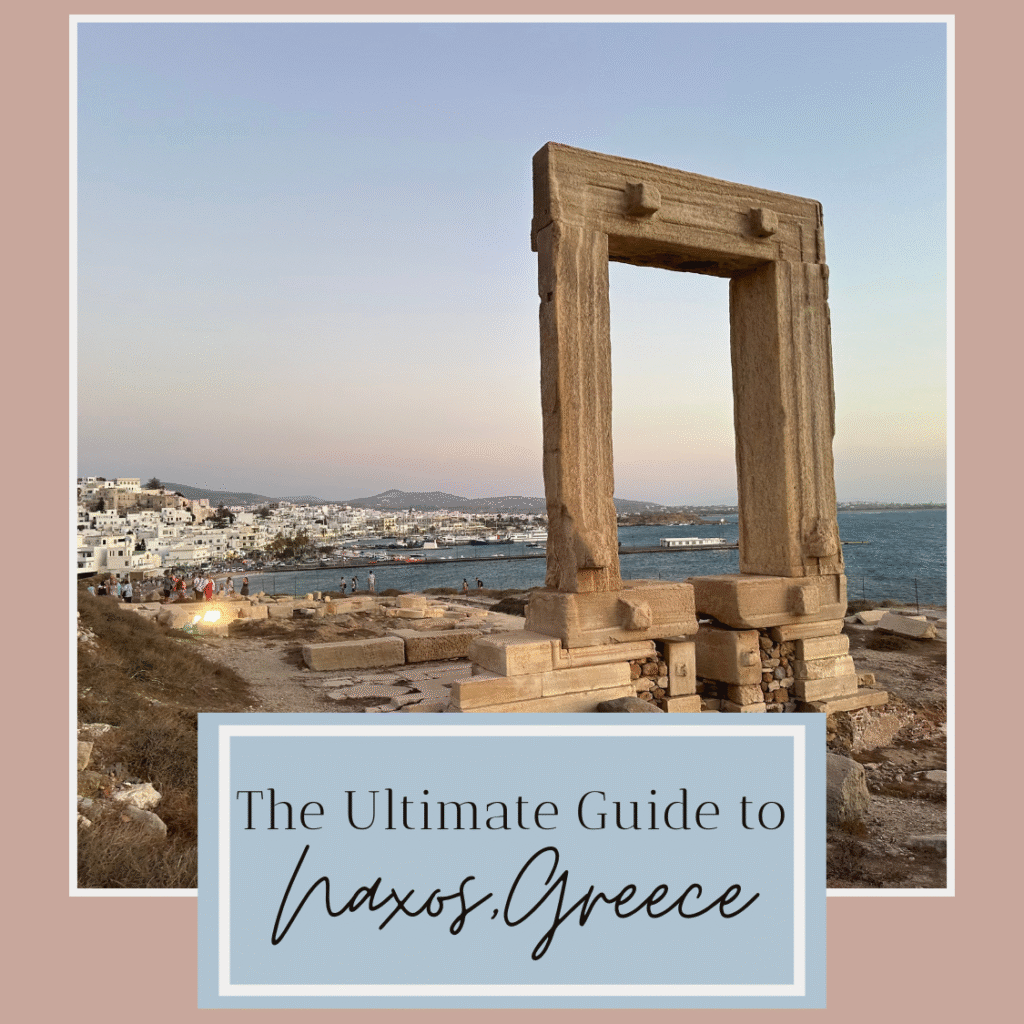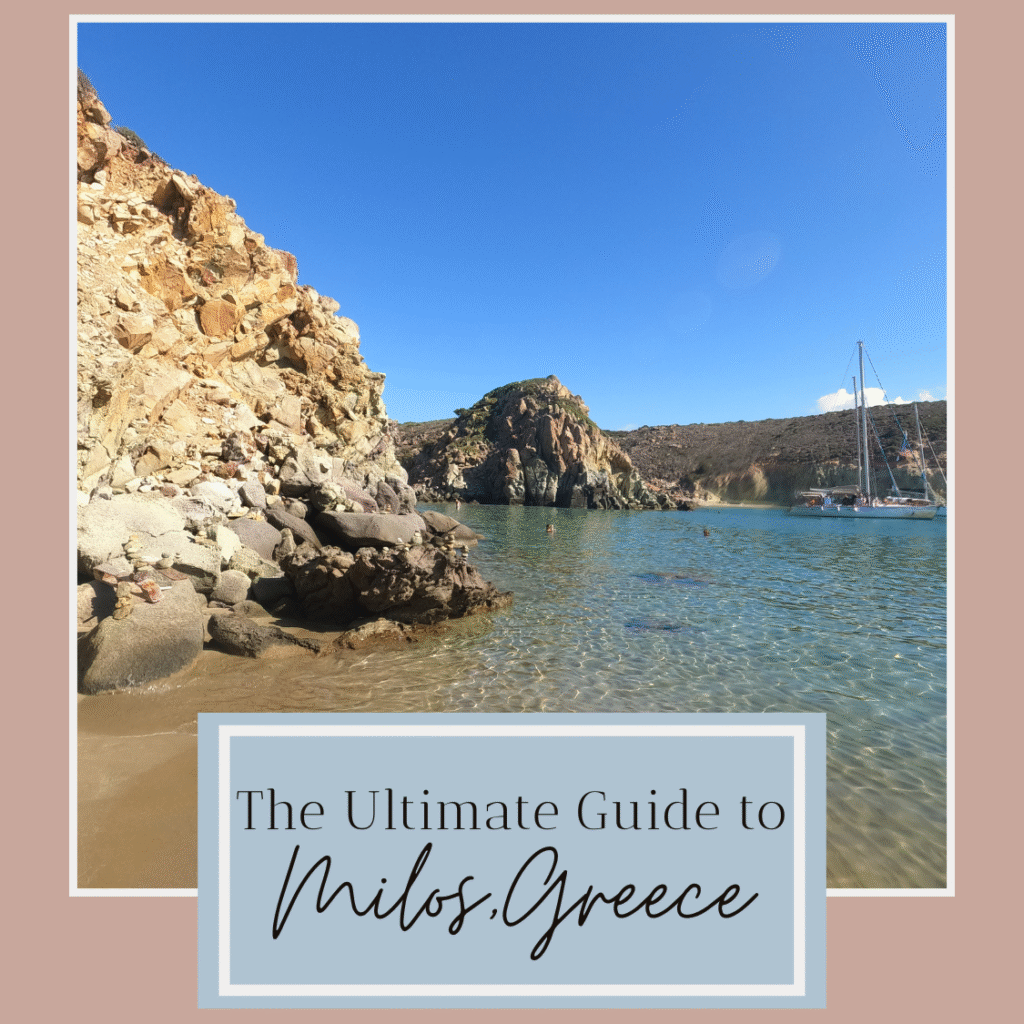


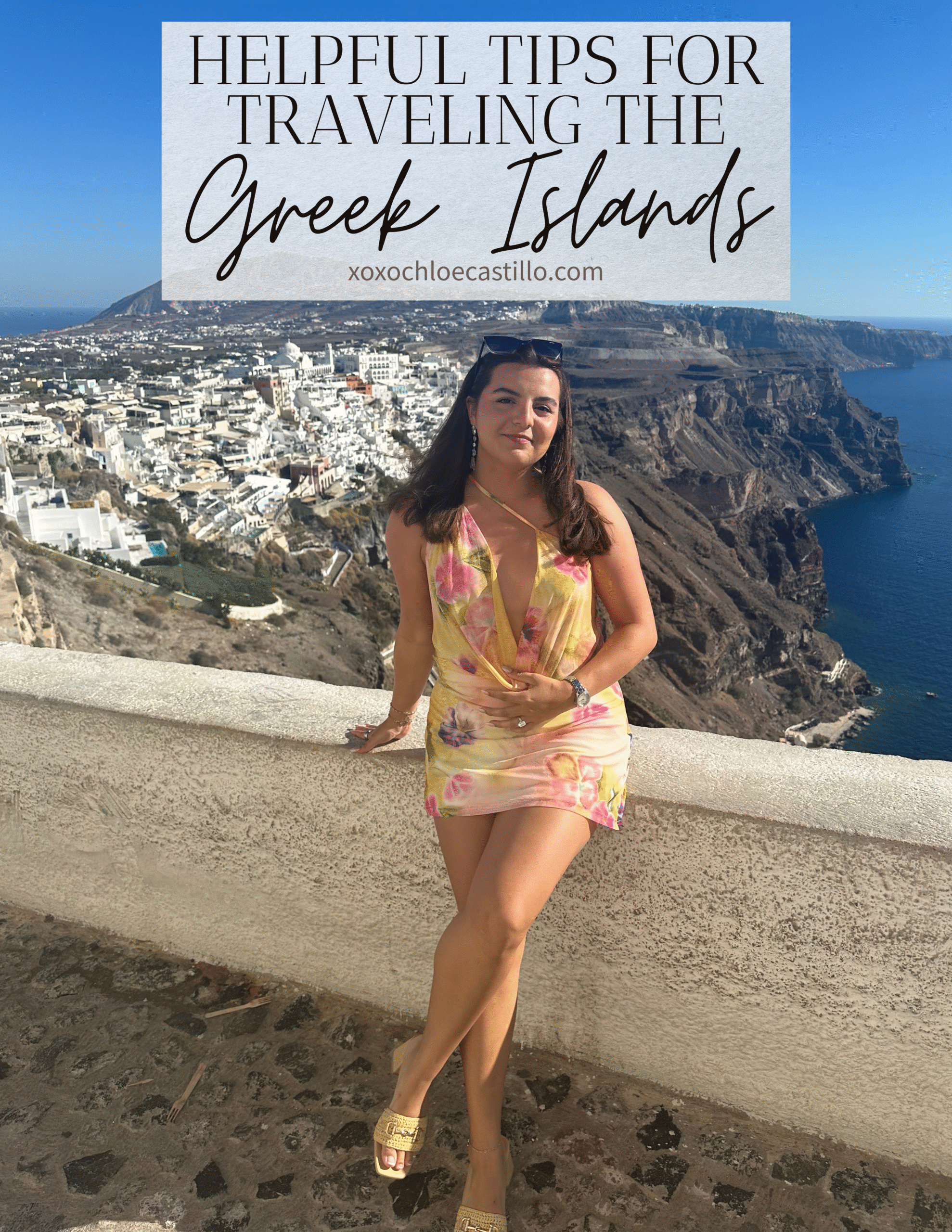
Greece is a country rich in history, culture, and natural beauty with much of its magic spread across hundreds of islands in the Aegean and Ionian Seas. In fact, there are 168 inhabited islands, each offering something completely unique. You could easily spend months exploring and still feel like you have only scratched the surface.
Some islands are known for their dramatic landscapes and beaches, others for their nightlife, and some for their deep-rooted traditions and slower pace of life. After experiencing islands like Santorini, Milos, and Naxos, I have put together this guide to help you plan a trip that feels seamless, intentional, and most importantly effortless.


The Greek Islands are known for their laid-back lifestyle and emphasis on enjoying life. Think slow mornings, long dinners, fresh food, and truly being present in the moment.
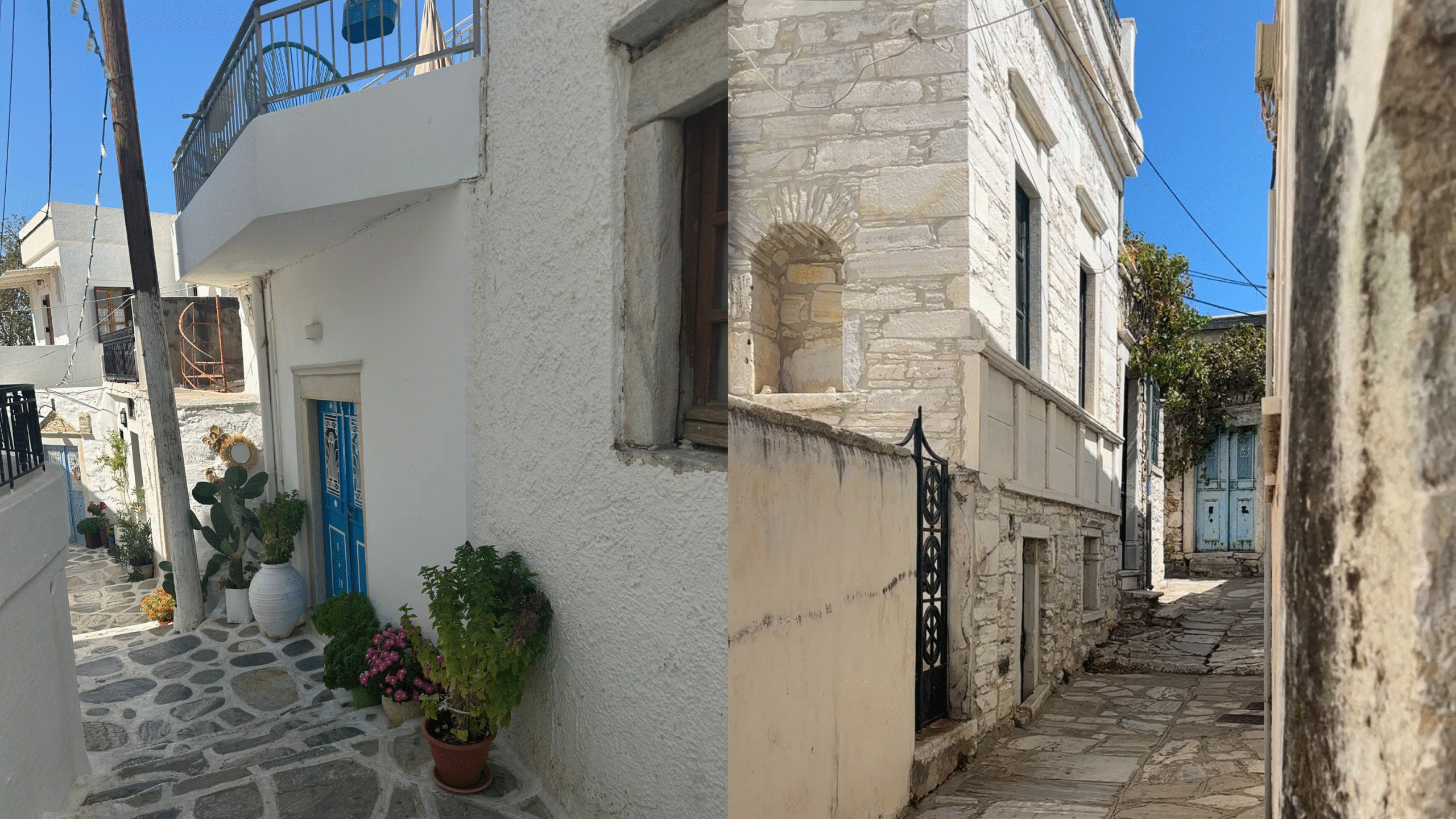
You will find that some islands are more tourist friendly, where English is widely spoken and everything feels very accessible. Others feel more local and traditional, offering a quieter and more immersive experience.
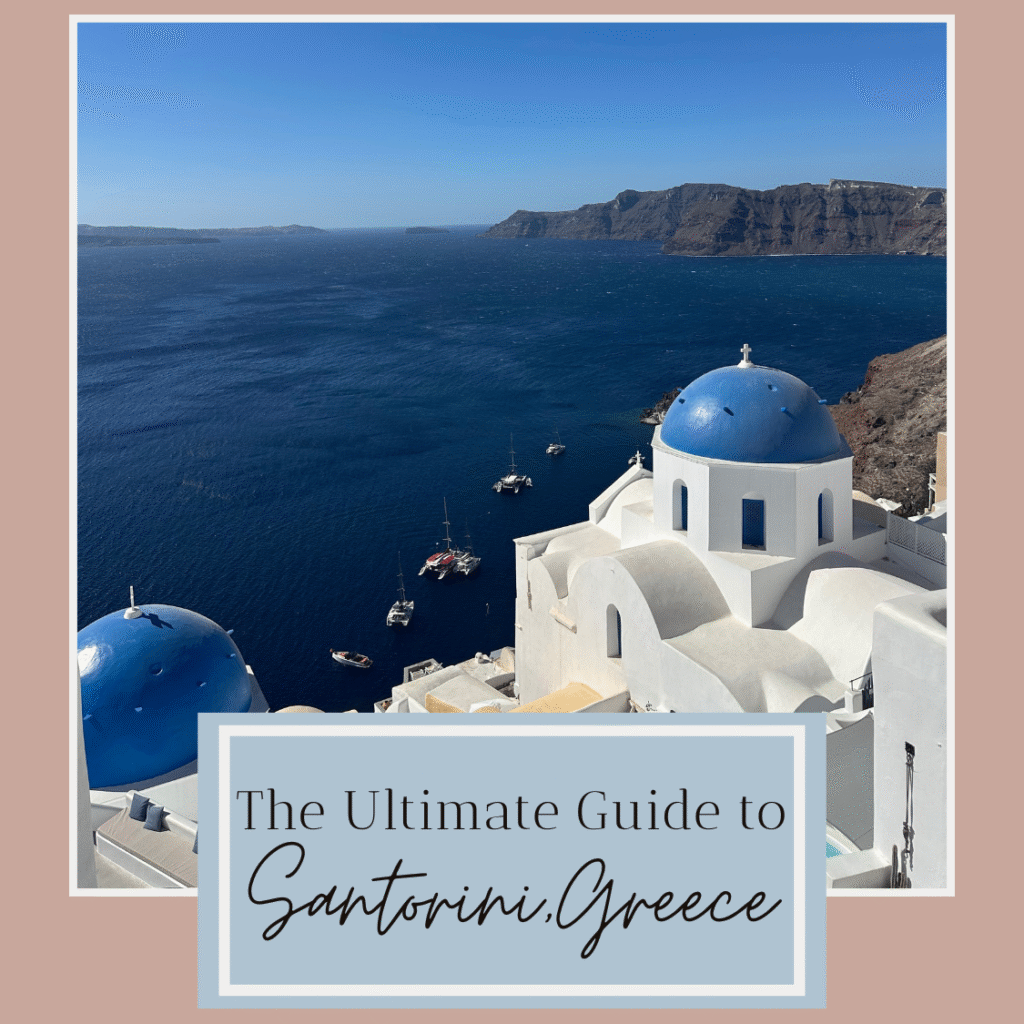
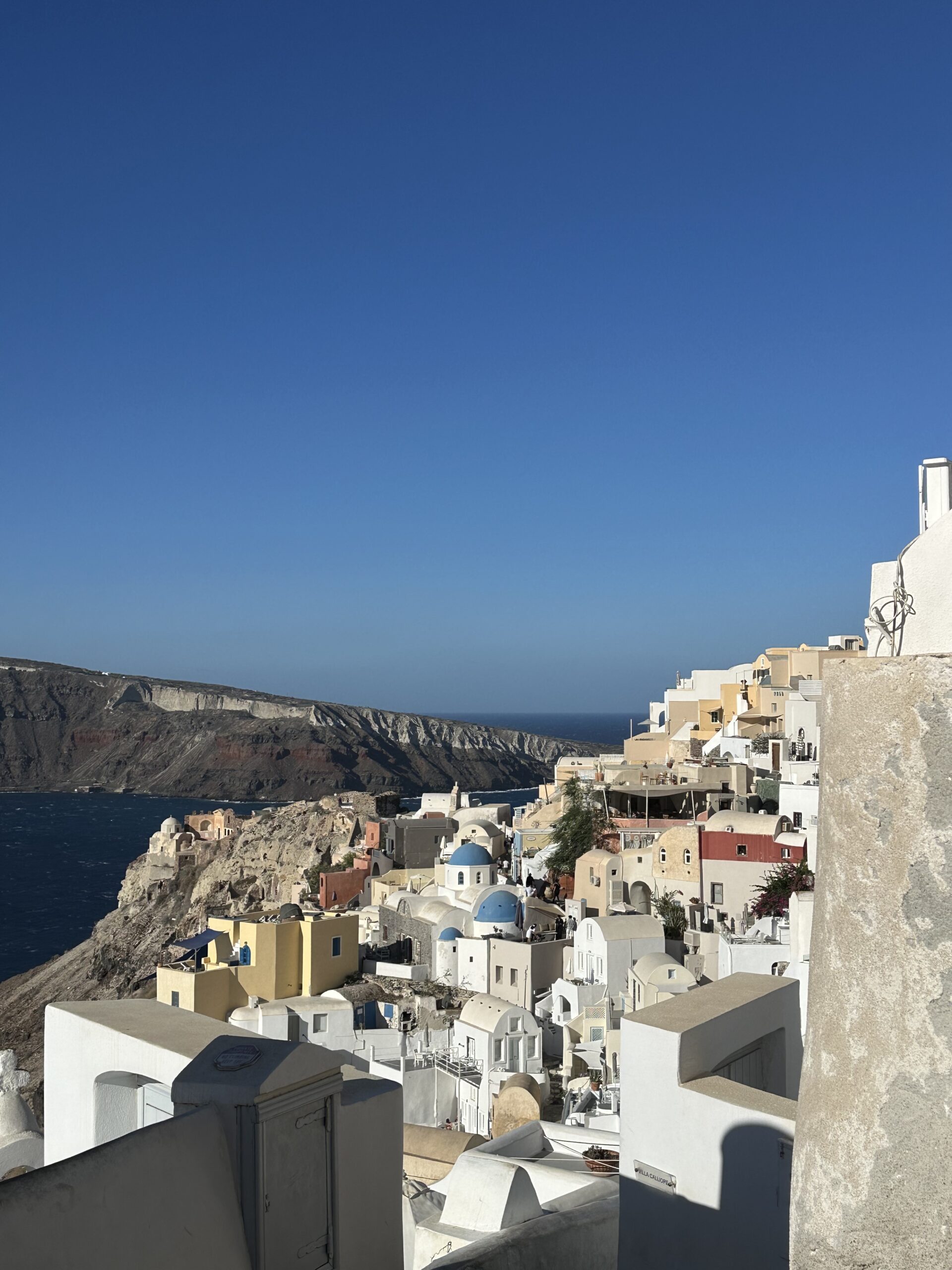
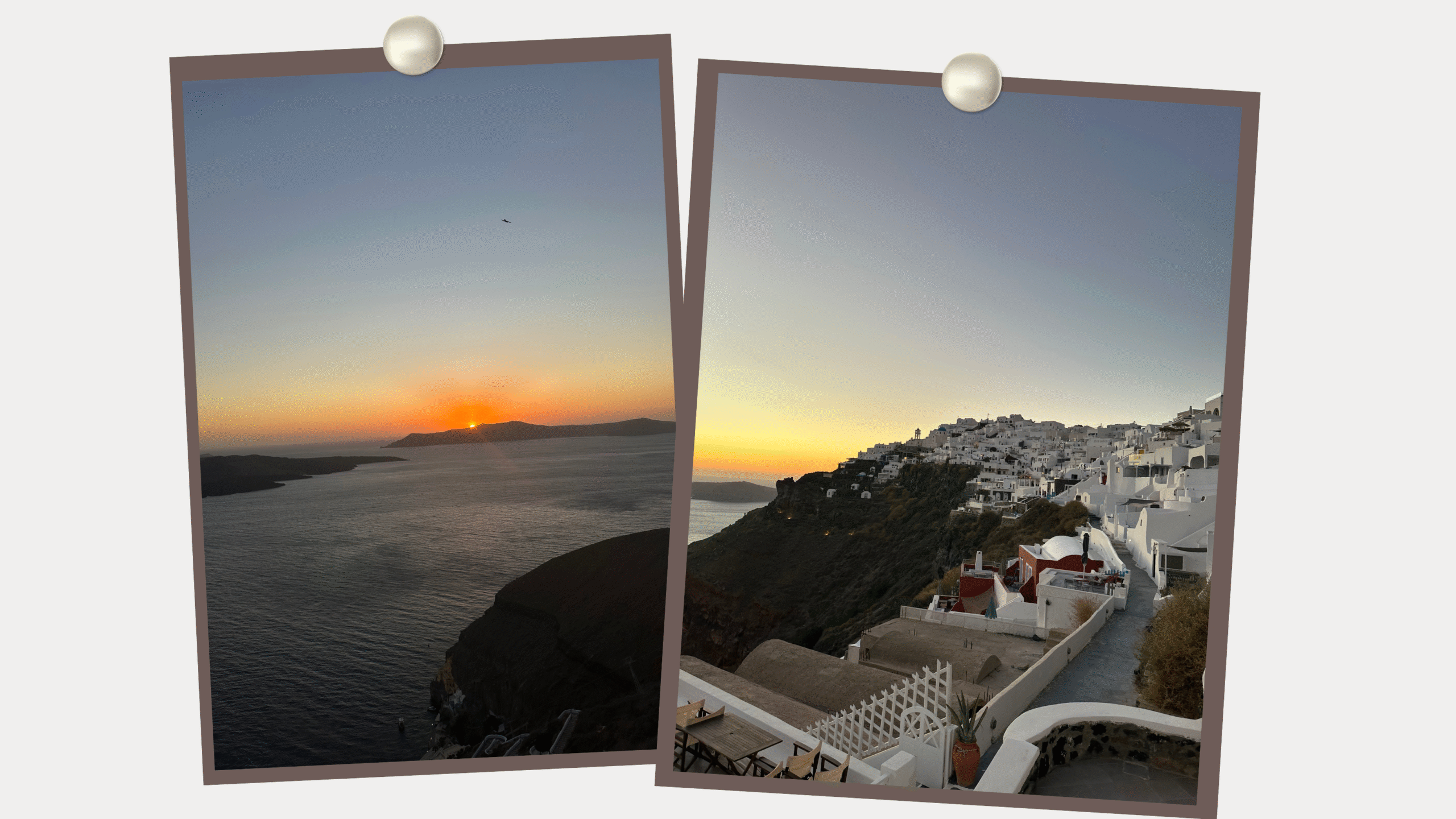
One of the most unique aspects of the islands is their geography. Many are volcanic in origin, creating dramatic cliffs, colorful rock formations, and unforgettable scenery. This is especially true in Santorini, where cliffside villages and sweeping views make it one of the most romantic destinations in the world.

The Greek Islands are typically grouped into different regions, each with its own personality.
The Cyclades are the most popular for island hopping, featuring destinations like Santorini, Mykonos, Paros, Milos, and Naxos. This group offers the perfect balance of beaches, views, and culture.
Crete is the largest island and offers a bit of everything, from beaches to history to food.
The Ionian Islands, including Corfu and Kefalonia, are known for their lush landscapes and vibrant energy.
Each island truly feels like its own destination, which is why thoughtful planning makes all the difference.

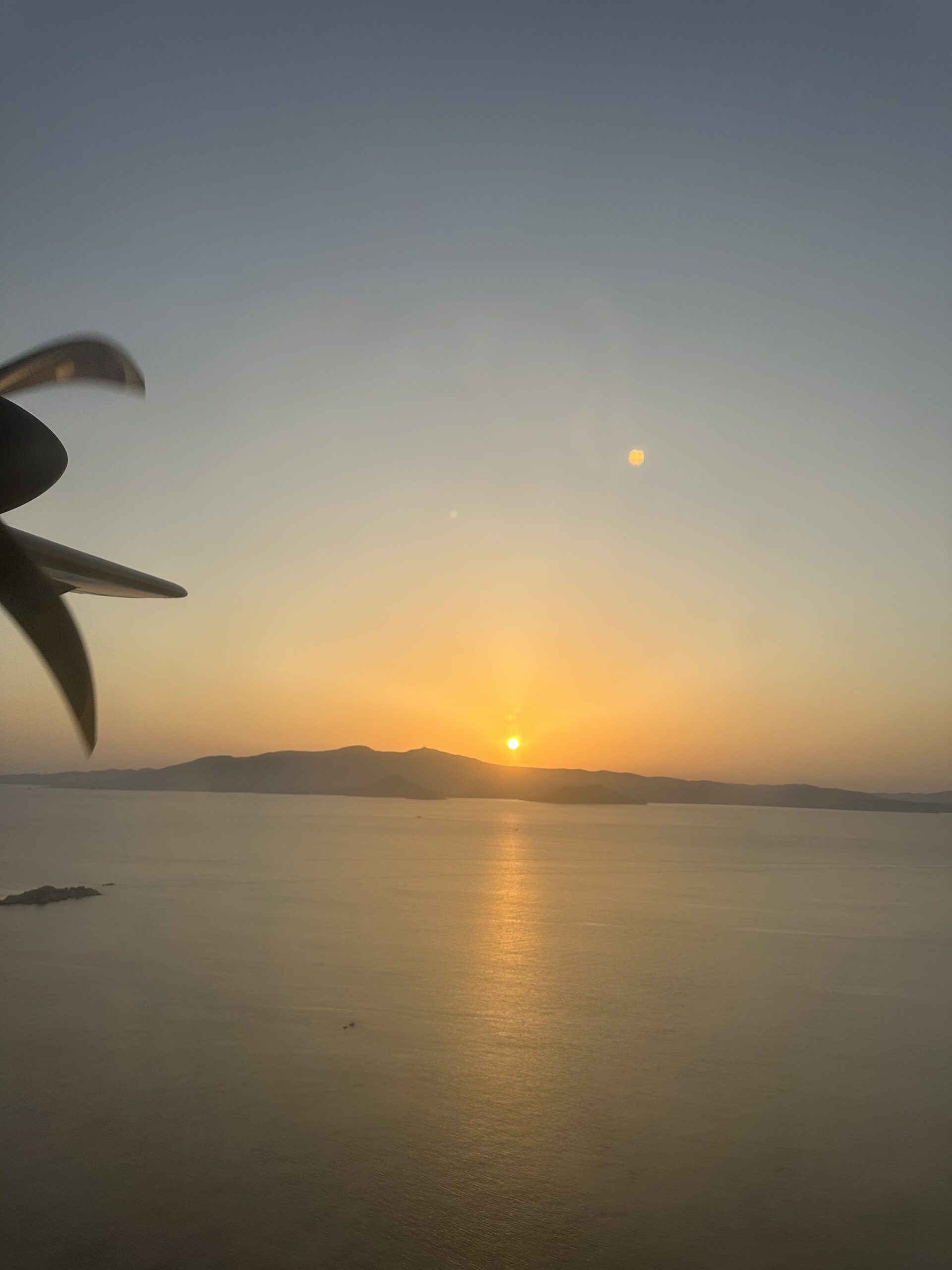
Some of the larger islands have airports with international connections, but if you are planning to visit multiple islands, ferries will likely be a major part of your trip.
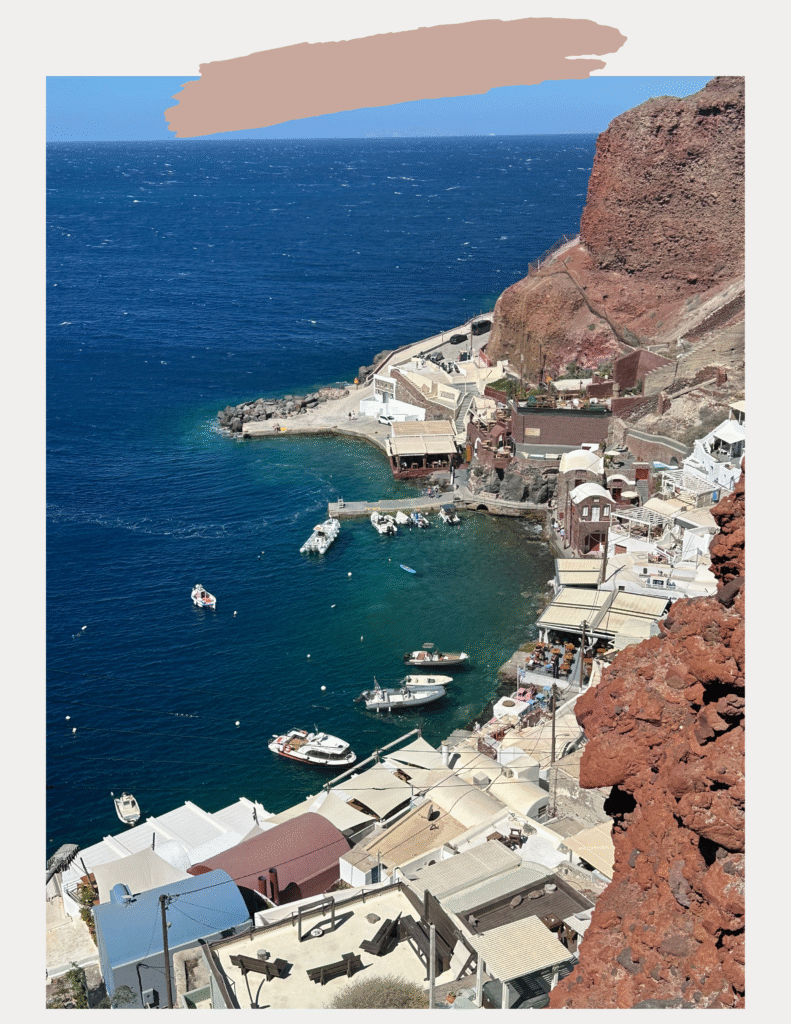
Ferries connect most islands, with routes varying in time, price, and frequency. Many depart from the Port of Piraeus, the main port in Athens.
While ferries are a beautiful way to travel, they do require planning, especially during peak season when schedules can fill up quickly.

One of the biggest misconceptions about island hopping is how quick it seems.
In reality, the islands are spread out, and travel between them can take several hours or even up to 10 hours depending on the route.
Add in packing, transfers, waiting times, and hotel check-ins, and you will quickly realize that travel days require more energy than expected.

01. Choose Fewer Islands
Island hopping sounds exciting but doing too much can take away from the experience.
Every new island means repacking, traveling, and starting over.
For a 10–14 day trip, 2–3 islands is the sweet spot.
This allows you to settle in, explore fully, and actually enjoy each destination.
Depth always feels better than distance.
02. Check Cruise Ship Schedules
On islands like Santorini, cruise ships can bring in thousands of visitors in a single day.
This can dramatically change the atmosphere from peaceful to crowded within hours.
Plan your main activities and sightseeing around lower traffic days when possible.
It will completely elevate your experience.
03. Treat Ferry Days as Travel Days
Ferry days are full travel days, not in between days.
Between packing, port transfers, waiting, boarding, and arrival, they take time and energy.
To make it easier:
- Pack light
- Avoid scheduling major plans
- Give yourself space to reset
04. Rent a Car Where It Matters
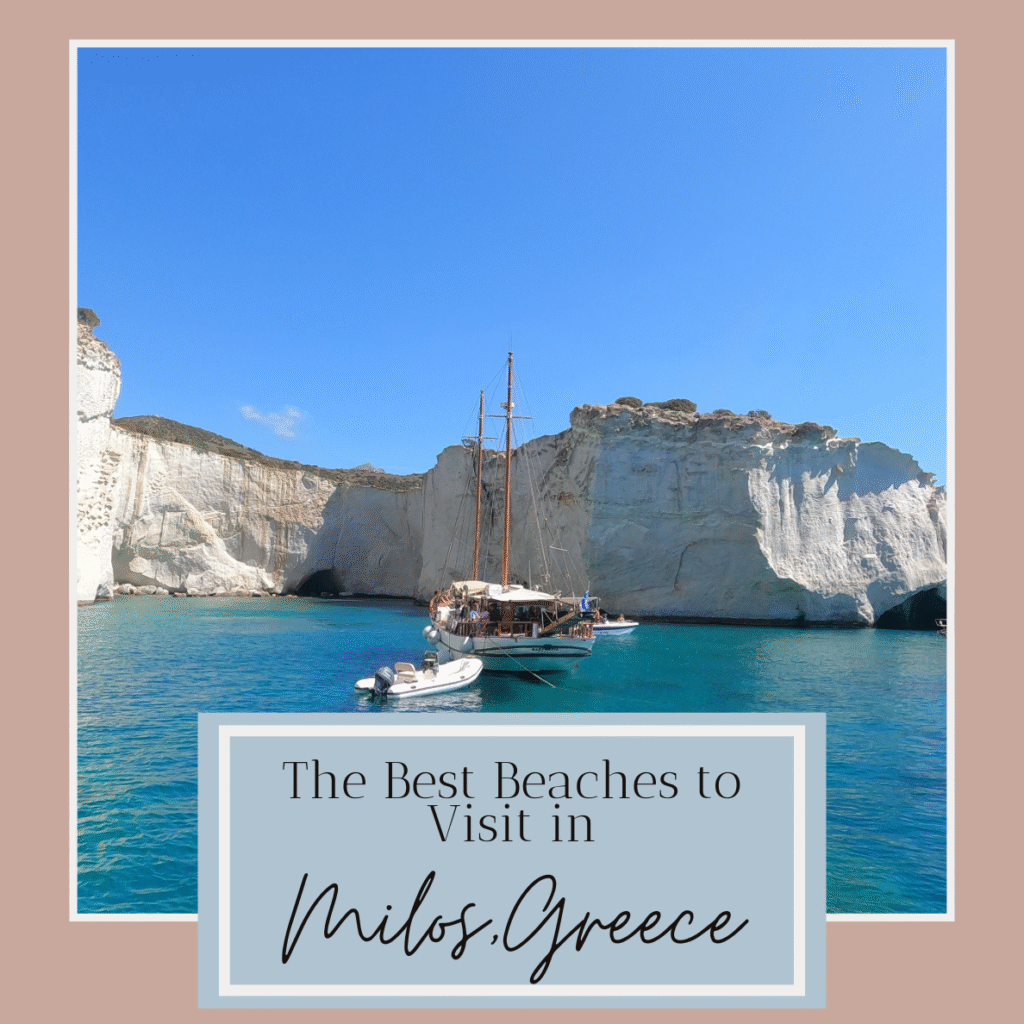
Not every island requires a car, but on islands like Milos and Naxos, it makes a huge difference.
A car lets you reach hidden beaches, quiet villages, and scenic viewpoints you’d otherwise miss.
Some islands are walkable. Others are not.
A little research ahead of time goes a long way.
05. Schedule Your Boat Day Early
Boat days are often the highlight of a Greek island trip, but they are weather dependent.
If you wait until the end of your stay, you risk cancellations with no time to adjust.
Book your boat day early so you have flexibility to reschedule if needed.
06. End Your Trip in Athens
If your trip starts and ends in Athens, this is one of the most important tips.
Do not schedule a ferry on the same day as your international flight.
Delays and cancellations can happen, and missing your flight is a risk you don’t want.
Spending your final nights in Athens gives you:
- A buffer for unexpected delays
- Time to unwind before traveling home
- The opportunity to explore the city

The Greek Islands are truly one of the most magical destinations in the world but the key to enjoying them is not doing more, it is doing it better.
Slow down. Choose intentionally. Leave room to explore and breathe.
When you approach your trip this way, it will not just be beautiful, it will feel effortless from start to finish.
Do you have any tips for traveling the Greek Islands? Let me know in the comments below!


PIN THIS GUIDE!