
Travel

Travel

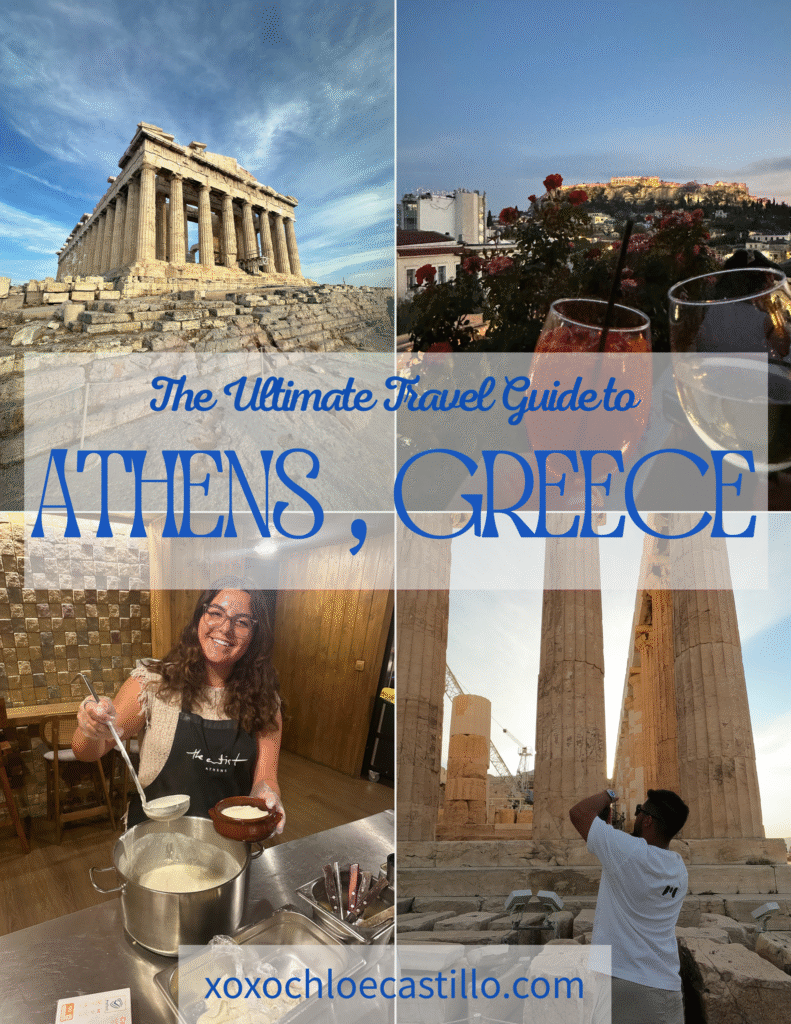
The ultimate guide to Athens, Greece

Athens is the perfect blend of ancient history and modern city life. It’’s home to some of the world’s most iconic landmarks, including the Acropolis, while also offering lively neighborhoods, rooftop bars, and a great food scene. Unlike the Greek islands, Athens feels more urban and fast-paced, but that’s part of what makes it so unique. You’ll find centuries-old ruins sitting right next to cafés, hidden neighborhoods tucked beneath the Acropolis, and a mix of old and new around every corner. We visited Athens as the final stop on our Greece trip, which made it the perfect place to slow down, reflect on everything we experienced, and end our journey on a high note. How Many Days in Athens? If you’re planning your itinerary, here’s what I recommend: We spent 3 days in Athens, and it felt like the perfect amount of time to see the highlights without feeling rushed. Hi! I’m Chloe, someone who’s always been drawn to creative spaces. I work from home, and in my free time, I started this blog as a way to share what I love. Over the past 3 years, my husband and I have traveled to 15 countries, turning our passion for exploring the world into unforgettable experiences and stories. Read More Flying Flying into Athens is the most common and convenient way to arrive. Athens International Airport serves both international and domestic flights, making it easy to reach from major cities as well as the Greek islands. We flew into Athens from Milos… and unfortunately, our luggage didn’t arrive with us. Not the best travel moment, but definitely a good reminder to always keep essentials in your carry-on when island hopping. Read More. Ferry If you’re traveling from islands like Santorini or Naxos, taking a ferry to Athens is another popular option. Ferries typically arrive at the Port of Piraeus, the main port serving the city. From there, you can easily take a taxi, metro, or ride-share into the city center. Ferries are generally straightforward and a great way to travel between the islands and mainland Greece. Read More My Ultimate Guide to taking Greek Ferries Athens has several great neighborhoods, and choosing the right area can make a big difference in your overall experience. Plaka is one of the most charming areas, known for its narrow streets, traditional buildings, and central location. Monastiraki is lively and very central, with easy access to markets, transportation, and nightlife. Syntagma is another great option if you prefer a more modern area with shopping and metro connections nearby. For first-time visitors, staying near Plaka or Monastiraki is ideal since many of the main attractions are within walking distance. Where We Stayed: The Editor Hotel We stayed at The Editor Hotel Athens, located at 5-7 Voreou, right in the heart of the city near Monastiraki Square. The location alone made our stay incredibly convenient since we could walk almost everywhere without needing transportation. PIN THIS GUIDE! Getting around Athens is fairly easy, especially in the central areas. Walking is the best way to explore neighborhoods like Plaka and Monastiraki, where many attractions are close together. You’ll often find yourself wandering between historic sites, cafés, and shops without needing transportation. The metro is clean, efficient, and connects key areas including the airport and the port. It’s one of the easiest ways to travel longer distances within the city. Taxis and ride-sharing services are also widely available and affordable, making them a convenient option when you want something quicker or more direct. Buses are available as well and are easy to use. WATCH MY ATHENS VLOG! Fun Fact Athens has over 300 sunny days per year It’s one of the sunniest capitals in Europe. Athens offers a mix of history, culture, food, and unique experiences that make your visit memorable. From ancient landmarks to hands-on workshops and rooftop views, there is something for every type of traveler. Visit the Acropolis at Sunset One of the highlights of any trip to Athens is visiting the Acropolis of Athens. We visited at sunset, and it was absolutely worth it. The lighting was beautiful, and the crowds were lighter compared to peak hours, which made the experience more enjoyable. Tickets are timed entry, so make sure to arrive on time. There will be a line, and staff will guide you in based on your entry slot. Booking in advance is highly recommended. We entered through the south entrance of the Acropolis, which is a great option if you want a slightly more scenic and gradual approach. This entrance takes you past several important sites on the way up, and it felt a bit less chaotic than the main entrance. As you make your way up from this side, you’ll pass: Theatre of Dionysus Odeon of Herodes Atticus before reaching the main Acropolis area. Wine Workshop: Make Your Own Wine A wine workshop at Athens Wine Tasting is such a fun and interactive experience. We took a wine-making class and had the best time learning about different blends while creating our own bottle to take home. My husband and I originally discovered our love for wine during our first trip to Italy, so this was a great way to continue that experience and learn something new together in a hands-on setting. Greek Cooking Class + Rooftop Dinner A Greek cooking class is one of the best ways to experience local culture, and this ended up being one of our favorite activities in Athens. It was a hands-on experience that felt fun, interactive, and very immersive. During the class, we prepared: Spinach pie (spanakopita) Tzatziki Aegean salad Moussaka Galatopita (Greek milk pie) After cooking, we enjoyed everything together during a rooftop dinner with views of the Acropolis. The setting was incredible, especially as the sun set and the city began to light up. Our chef was amazing and made the entire experience enjoyable and easy to follow. Since it was a group experience, it was also a great opportunity to meet

Travel

Helpful Tips for Traveling Greek Islands

Greece is a country rich in history, culture, and natural beauty with much of its magic spread across hundreds of islands in the Aegean and Ionian Seas. In fact, there are 168 inhabited islands, each offering something completely unique. You could easily spend months exploring and still feel like you have only scratched the surface. Some islands are known for their dramatic landscapes and beaches, others for their nightlife, and some for their deep-rooted traditions and slower pace of life. After experiencing islands like Santorini, Milos, and Naxos, I have put together this guide to help you plan a trip that feels seamless, intentional, and most importantly effortless. The Greek Islands are known for their laid-back lifestyle and emphasis on enjoying life. Think slow mornings, long dinners, fresh food, and truly being present in the moment. You will find that some islands are more tourist friendly, where English is widely spoken and everything feels very accessible. Others feel more local and traditional, offering a quieter and more immersive experience. One of the most unique aspects of the islands is their geography. Many are volcanic in origin, creating dramatic cliffs, colorful rock formations, and unforgettable scenery. This is especially true in Santorini, where cliffside villages and sweeping views make it one of the most romantic destinations in the world. The Greek Islands are typically grouped into different regions, each with its own personality. The Cyclades are the most popular for island hopping, featuring destinations like Santorini, Mykonos, Paros, Milos, and Naxos. This group offers the perfect balance of beaches, views, and culture. Crete is the largest island and offers a bit of everything, from beaches to history to food. The Ionian Islands, including Corfu and Kefalonia, are known for their lush landscapes and vibrant energy. Each island truly feels like its own destination, which is why thoughtful planning makes all the difference. Some of the larger islands have airports with international connections, but if you are planning to visit multiple islands, ferries will likely be a major part of your trip. Ferries connect most islands, with routes varying in time, price, and frequency. Many depart from the Port of Piraeus, the main port in Athens. While ferries are a beautiful way to travel, they do require planning, especially during peak season when schedules can fill up quickly. Read More My Ultimate Guide to taking Greek Ferries One of the biggest misconceptions about island hopping is how quick it seems. In reality, the islands are spread out, and travel between them can take several hours or even up to 10 hours depending on the route. Add in packing, transfers, waiting times, and hotel check-ins, and you will quickly realize that travel days require more energy than expected. 01. Choose Fewer Islands Island hopping sounds exciting but doing too much can take away from the experience. Every new island means repacking, traveling, and starting over. For a 10–14 day trip, 2–3 islands is the sweet spot. This allows you to settle in, explore fully, and actually enjoy each destination. Depth always feels better than distance. 02. Check Cruise Ship Schedules On islands like Santorini, cruise ships can bring in thousands of visitors in a single day. This can dramatically change the atmosphere from peaceful to crowded within hours. Plan your main activities and sightseeing around lower traffic days when possible. It will completely elevate your experience. 03. Treat Ferry Days as Travel Days Ferry days are full travel days, not in between days. Between packing, port transfers, waiting, boarding, and arrival, they take time and energy. To make it easier: Pack light Avoid scheduling major plans Give yourself space to reset 04. Rent a Car Where It Matters Not every island requires a car, but on islands like Milos and Naxos, it makes a huge difference. A car lets you reach hidden beaches, quiet villages, and scenic viewpoints you’d otherwise miss. Some islands are walkable. Others are not. A little research ahead of time goes a long way. 05. Schedule Your Boat Day Early Boat days are often the highlight of a Greek island trip, but they are weather dependent. If you wait until the end of your stay, you risk cancellations with no time to adjust. Book your boat day early so you have flexibility to reschedule if needed. 06. End Your Trip in Athens If your trip starts and ends in Athens, this is one of the most important tips. Do not schedule a ferry on the same day as your international flight. Delays and cancellations can happen, and missing your flight is a risk you don’t want. Spending your final nights in Athens gives you: A buffer for unexpected delays Time to unwind before traveling home The opportunity to explore the city The Greek Islands are truly one of the most magical destinations in the world but the key to enjoying them is not doing more, it is doing it better. Slow down. Choose intentionally. Leave room to explore and breathe. When you approach your trip this way, it will not just be beautiful, it will feel effortless from start to finish. Do you have any tips for traveling the Greek Islands? Let me know in the comments below! xoxo, Hi! I’m Chloe, someone who’s always been drawn to creative spaces. I work from home, and in my free time, I started this blog as a way to share what I love. Over the past 3 years, my husband and I have traveled to 15 countries, turning our passion for exploring the world into unforgettable experiences and stories. Read More PIN THIS GUIDE! Helpful Tip Wind is no joke. Greece can get very windy, especially in the afternoons, so plan outfits accordingly and be careful with flowy dresses. THE ULTIMATE GREECE TRAVEL GUIDE! TRAVEL BLOG PAGE!

Travel

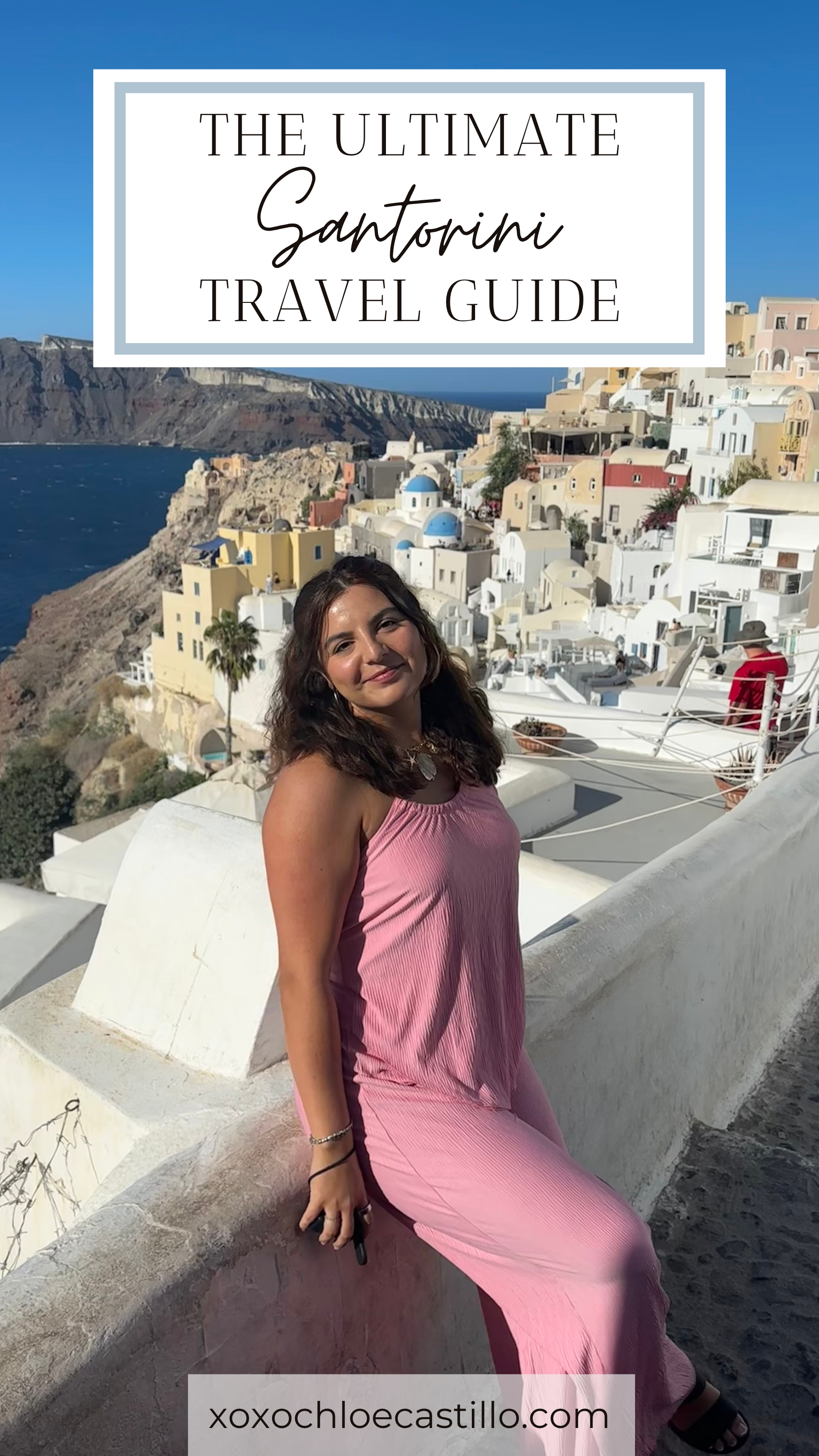
Ultimate Santorini Travel Guide

If you’re dreaming of iconic Greek island views, whitewashed buildings, and unforgettable sunsets, Santorini is exactly that and more. Known for its dramatic cliffs, blue domes, and caldera views, it is easily one of the most breathtaking destinations in Greece. While Santorini is one of the most popular islands, it truly lives up to the hype when experienced intentionally. From slow mornings by the sea to golden hour dinners overlooking the caldera, every moment feels elevated and unforgettable. We spent three days in Santorini after taking a ferry from Naxos, and it was the perfect amount of time to experience the highlights without feeling rushed. We rented a car, explored different parts of the island, and mixed in both planned experiences with slower, more spontaneous moments. This guide covers everything you need to know, from how to get there and where to stay, to the best things to do so you can experience Santorini at its best. Flying to Santorini Santorini has its own airport with direct flights from Athens and many major European cities. Flying is the fastest and most efficient option, especially if you are short on time or trying to maximize your days on the island. Arriving by Ferry We arrived in Santorini by ferry from Naxos, which is a very common route when island hopping through Greece. The ferry ride itself is part of the experience, especially as you approach Santorini and begin to see the dramatic cliffs rise out of the sea. Keep in mind that ferries can sometimes be delayed due to wind or weather conditions, so it is always best to plan with a little flexibility in your schedule. Read More My Ultimate Guide to taking Greek Ferries Hi! I’m Chloe, someone who’s always been drawn to creative spaces. I work from home, and in my free time, I started this blog as a way to share what I love. Over the past 3 years, my husband and I have traveled to 15 countries, turning our passion for exploring the world into unforgettable experiences and stories. Read More Where you stay in Santorini will completely shape your experience, as each area offers a different atmosphere. Fira is the most central and lively area, filled with restaurants, shops, and nightlife. It is a great option if you want to be in the middle of everything. Imerovigli is quieter and more romantic, offering some of the best views of the caldera without the heavy crowds you will find in Oia. It is perfect if you want a more peaceful, elevated experience while still being close to everything. Oia is the most iconic part of Santorini, known for its blue domes, luxury stays, and postcard worthy views. While it is absolutely stunning, it can get very crowded, especially during sunset. Where We Stayed We stayed at this Airbnb in Imerovigli, and it was honestly one of the best stays of our entire trip: View our Airbnb in Santorini This Cycladic style home is located in Imerovigli, one of the most scenic and peaceful villages on the island. It is perfectly positioned between Fira and Oia, making it easy to explore both while still having a quiet place to come back to at the end of the day. What we loved most about staying here was how calm and private it felt compared to the busier parts of Santorini. After spending time in crowded areas like Oia, it was so nice to come back to a space that felt peaceful and relaxing. The home has that classic Santorini aesthetic with white architecture and clean, minimal design, but what really makes it special are the views. You still get incredible scenery of the island and the Aegean Sea, without being directly in the middle of the crowds. It was also super convenient having amenities like a full kitchen, WiFi, and even a private pool, which made it feel more like a luxury stay while still being comfortable and homey. If you are deciding where to stay in Santorini, I cannot recommend Imerovigli enough, especially if you want that balance of views, location, and a more relaxed atmosphere. Oia: This is the Santorini you’ve seen everywhere, with blue domes, cliffside views, and iconic sunsets. It’s absolutely stunning and worth experiencing, but it is also the most crowded, especially later in the day. We loved exploring Oia, but personally preferred staying somewhere a bit more peaceful. Imerovigli, Firostefani, and Fira: These three towns sit along the caldera and are all connected by a scenic walking path. Fira is the most lively, with restaurants, shops, and nightlife, while Imerovigli, where we stayed, felt quieter, more elevated, and had some of the best views we experienced on the island. Firostefani sits right in between, offering a balance of both. Kamari: If you’re looking to slow down, Kamari has a completely different feel from the caldera side. We spent time here relaxing at the black sand beach, and it was the perfect reset from the more crowded areas. Perissa: Located on the opposite side of the island, Perissa is more laid back and budget friendly. It’s a great option if you’re not as focused on caldera views and want a quieter, beach centered stay. PIN THIS GUIDE! Interactive Map of Santorini, Greece This interactive map highlights the must see places in Santorini, from scenic viewpoints and iconic towns to beaches, restaurants, and unforgettable experiences. Save this map to Google Maps to easily navigate the island and plan your trip. INTERACTIVE MAP Visit Santo Wines One of the most memorable experiences we had in Santorini was visiting Santo Wines during sunset. This winery is known for having one of the best panoramic views of the caldera, and watching the sun go down from here truly feels surreal. We made a reservation for sunset, which I highly recommend doing in advance because it fills up quickly, especially during peak travel months. The atmosphere was relaxed yet elevated, and the wine was genuinely delicious. We

Travel

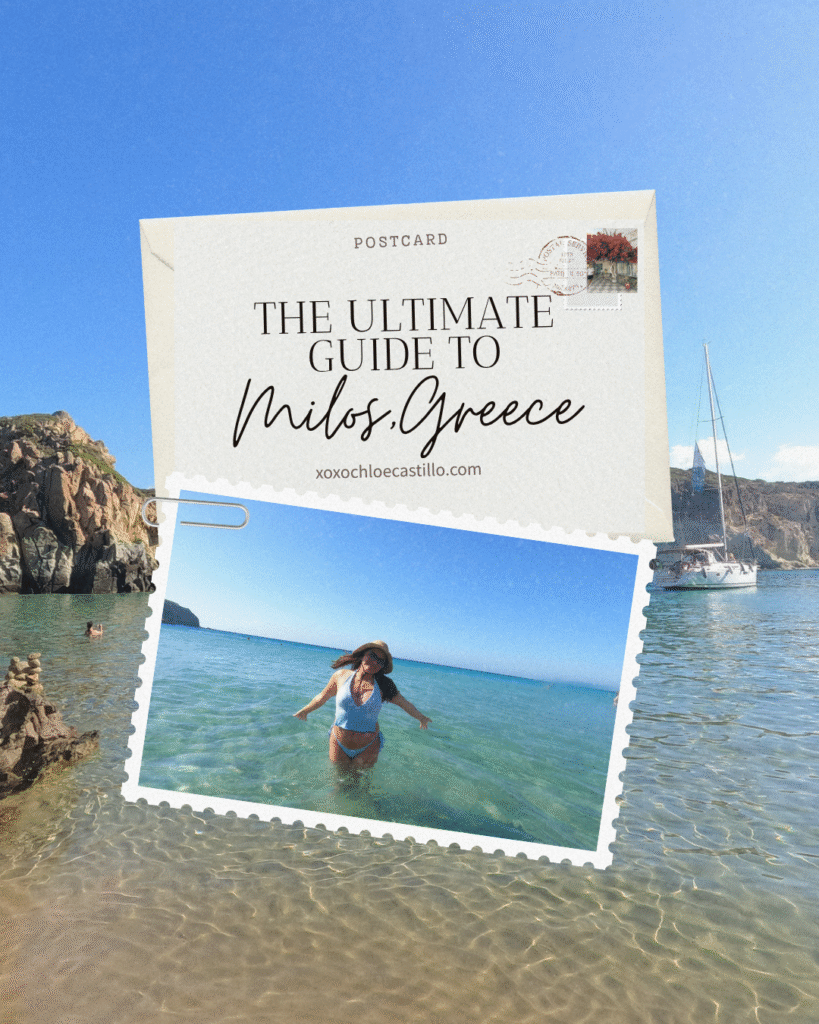
The Ultimate Guide to Milos, Greece

Tucked away in the sparkling waters of the Aegean Sea, Milos is one of those rare destinations that still feels like a hidden gem. Known for its dramatic volcanic landscapes, crystal-clear turquoise waters, and over 70 unique beaches, this Cycladic island offers a completely different experience from more crowded hotspots like Santorini or Mykonos. It’s effortlessly beautiful, a little more laid-back, and surprisingly affordable for how luxurious it feels. Whether you’re chasing stunning coastal views, quiet beach days, or that perfect mix of adventure and relaxation, Milos delivers in a way that feels both elevated and authentic. We spent 4 unforgettable days on Milos, and without a doubt, it was our favorite island in all of Greece. From the surreal landscapes to the slower pace of life, Milos feels like a hidden gem compared to places like Santorini and Mykonos. It’s less crowded, more authentic, and full of natural beauty that truly took us by surprise. Hi! I’m Chloe, someone who’s always been drawn to creative spaces. I work from home, and in my free time, I started this blog as a way to share what I love. Over the past 3 years, my husband and I have traveled to 15 countries, turning our passion for exploring the world into unforgettable experiences and stories. Read More FlyingIf you’re short on time, flying is the quickest and easiest option. Milos has a small domestic airport with regular flights from Athens. Flight time is about 40 minutes, making it ideal if you’re trying to maximize your time on the island. Prices typically range from €75–€100 each way, depending on the season and how far in advance you book. FerryWe took a ferry from Santorini to Milos. The views along the way are beautiful, and the journey gives you a completely different perspective of the islands as you move through the Aegean. If you’re starting in Athens, ferries depart from the Port of Piraeus and can take between 3–7 hours depending on the route. High-speed ferries are faster but more expensive, while standard ferries are more budget-friendly and slower. Read More My Ultimate Guide to taking Greek Ferries PIN THIS GUIDE! We stayed at an Airbnb located in the Triovasalos area of Milos, a quiet residential part of the island just a short drive from Adamas. This made it really convenient for getting around while still feeling tucked away and peaceful. Our stay was honestly a dream. Waking up to that view every morning felt unreal, and having a beach just steps away made it even better. The space itself was comfortable, but the real highlight was the location. It felt private, peaceful, and tucked away from everything, which made it the perfect place to unwind after long beach days. Having a designated parking spot was also a huge plus, especially if you’re renting a car. If it’s your first time visiting Milos, choosing the right area to stay in can really shape your experience: No matter where you stay, Milos is small enough that you can easily explore most of the island within a short drive. WATCH MY MILOS VLOG! Renting a car is hands-down the best way to explore Milos. While scooters and ATVs are popular, having a car gives you way more flexibility and comfort, especially if you plan on beach hopping or visiting more remote areas of the island. The roads can be narrow and sometimes unpaved, particularly when heading to more secluded beaches, so I highly recommend renting a small or compact car. It’ll make navigating tight turns and finding parking much easier. We visited in September and had no issues getting around or finding parking, but during peak summer months (June–August), it can get significantly busier. Parking in popular areas like Sarakiniko or Fyriplaka may require a bit more patience, especially midday. Also worth noting: some of the most beautiful beaches in Milos require a short drive down dirt roads. They’re totally doable in a regular car if you go slow and carefully, but if you’re not comfortable with that, it’s something to keep in mind when planning your itinerary. If you’re not renting a car, there is a public bus system that connects major towns and beaches, but schedules can be limited. Taxis are available but can be harder to find during busy times, so having your own transportation really makes a big difference in how much you’re able to see and do. THE ULTIMATE GREECE TRAVEL GUIDE! Milos is much quieter compared to Santorini or Mykonos, which is exactly why we fell in love with it. The island is perfect for slowing down, exploring, and soaking in the scenery at your own pace. Whether you’re into wandering charming villages, boat days, or discovering hidden beaches, there’s a little bit of everything here without the overwhelming crowds. Explore Plaka Plaka is the island’s hilltop capital and one of the most charming places to explore. The whitewashed streets, small local shops, and sweeping views over the sea create that classic Cycladic atmosphere you picture when you think of Greece. Plan to come here in the evening and stay through sunset. The entire village glows in golden light, and it’s the perfect place to slow down, explore without a plan, and take in the views. Discover Milos by Boat One of the most memorable experiences on the island is taking a full-day boat tour. We joined a small-group cruise with snorkeling and lunch included, and it ended up being an incredible way to see a completely different side of Milos. Exploring by water opens up access to sea caves, hidden beaches, and swimming spots that you can’t reach by car. The water is unbelievably clear, and there are plenty of opportunities to swim, snorkel, and even try cliff jumping if you’re feeling adventurous. → Book the same tour here. Explore the Old Fishing Villages The traditional fishing villages of Milos offer a completely different side of the island compared to the beaches and main towns. They feel

Travel

20 Professional Photos to Inspire You to Visit Santorini

Hi! I’m Chloe, someone who’s always been drawn to creative spaces. I work from home, and in my free time, I started this blog as a way to share what I love. Over the past 3 years, my husband and I have traveled to 15 countries, turning our passion for exploring the world into unforgettable experiences and stories. Read More Santorini is one of those places that looks unreal in photos but somehow feels even better in person. Think whitewashed cliffside villages, deep blue water stretching endlessly, and sunsets that completely stop you in your tracks. Formed from a volcanic eruption thousands of years ago, the island is officially known as Thira. Its dramatic landscape is what creates those iconic caldera views seen all over the world. The most famous village, Oia, is where you will find the classic blue domes and postcard sunsets. Meanwhile, Fira offers lively streets, shops, restaurants, and incredible cliffside views. For a break from the villages, the island also has beautiful beaches like Perissa Beach, known for its striking black sand and relaxed coastline. Santorini is small, which makes it perfect for a short but unforgettable trip. You can see the highlights in just a few days while exploring Greece. If you are planning a visit, aim for shoulder season (late spring or early fall) to enjoy great weather with fewer crowds. The photographer was Alona Papaki Photography, and she made the experience feel natural and easy while capturing beautiful results. For hair and styling, I visited Maria Coiffure, my husband visited Bulls and Barbers Barbershop. Overall, it was such a special part of the trip and a great way to capture memories in such a scenic destination. Scroll through these photos and you will quickly see why Santorini remains one of the most photographed places in the world. THE ULTIMATE GREECE TRAVEL GUIDE! TRAVEL BLOG PAGE! Have you ever been to Greece? If so, did you make it to Santorini? I’d love to hear about your experience in the comments below! xoxo,

Travel

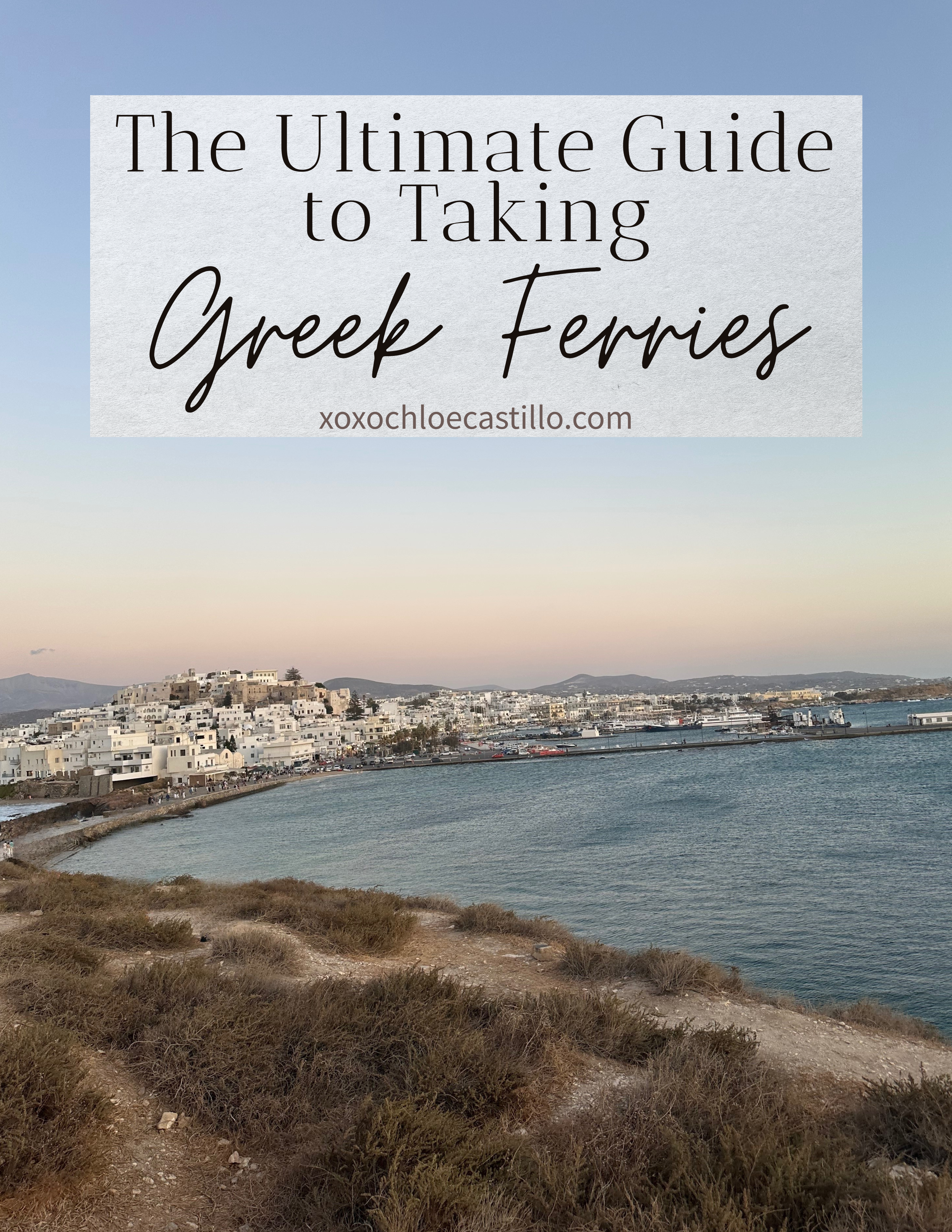
The Ultimate Guide to Taking Greek Ferries

Island hopping through the Greek islands is one of the most magical ways to experience Greece, and for most travelers, ferries are part of the journey. They are not always glamorous, but they are efficient, widely used, and often the best way to get between islands. Once you understand how they work, the experience becomes a lot less intimidating and a lot more manageable. This guide breaks down everything you need to know before booking your first ferry in Greece, including what to expect, what to avoid, and what we personally learned along the way. Hi! I’m Chloe, someone who’s always been drawn to creative spaces. I work from home, and in my free time, I started this blog as a way to share what I love. Over the past 3 years, my husband and I have traveled to 15 countries, turning our passion for exploring the world into unforgettable experiences and stories. Read More Most ferries can be booked directly online through official websites or platforms. The two most commonly used companies are Seajets and Blue Star Ferries. Tickets are usually electronic, so you can show them directly from your phone when boarding. When booking, pay close attention to the type of ferry. There are fast ferries and slower, larger ones, and the difference in comfort can be significant. Prices can also fluctuate depending on demand, route, and timing, so it is worth booking early when possible. PIN THIS GUIDE! Fast ferries are significantly quicker, which makes them great for shorter island routes. However, they tend to be bumpier and less comfortable, especially in windy conditions. Slower, larger ferries take more time but are generally more stable and spacious. If you are prone to motion sickness or just want a smoother ride, these are usually the better option. As a general rule, ferries work best for routes that are around two to three hours or less. For longer distances, flying may be worth considering, especially when factoring in comfort and travel fatigue. THE ULTIMATE GREECE TRAVEL GUIDE! Boarding is usually organized but can feel chaotic at busy ports. Rental cars, taxis, and foot passengers are all moving at once, especially in popular destinations like Santorini. Smaller islands like Milos and Naxos tend to have much calmer and more manageable ports, which makes the process feel easier overall. Once on board, luggage is typically stored in a designated lower area, while smaller bags can be taken to your seat. Larger ferries often have cafés or bars, along with bathrooms and indoor seating areas. Tickets are checked again before you reach your assigned seats, so keep them easily accessible. TRAVEL BLOG PAGE! Seajets have a bit of a reputation for being a rougher ride, especially on windy days. If you are sensitive to motion sickness or worried about feeling unwell, this is something to seriously consider before booking. That said, our experience was completely fine, and we did not run into any issues. We were prepared for a bumpier ride and took the risk knowing what to expect. Weather plays a huge role in ferry comfort. During windy conditions, even the larger ferries can feel noticeably more intense, so it is always good to stay flexible with your travel plans. In many cases, ferries are convenient and cost effective, but they are not always the best option depending on your route. A good rule of thumb is this:– If the journey is short, a ferry is usually ideal.– If it is long or requires multiple hours at sea, flying may be worth it.– Flights between islands are often faster and more comfortable, but they can require connections through Athens and may include extra baggage fees.– If you are trying to maximize comfort and minimize travel time, it is always worth comparing both options before booking. Helpful Tips Before You Go – Arrive early, especially during peak travel season, as ports can get busy quickly – Choose larger ferries if you want a smoother ride – Be mindful of sea conditions, especially in windy months – Keep essentials like water, snacks, and chargers in your carry-on – Double check luggage rules if you are flying between islands as well It is also important to note that ferries in the Greek islands can be unpredictable. Weather conditions change quickly, and this can lead to delays or even last-minute cancellations. Flexibility is key when planning island hops, and it helps to be prepared to adjust your schedule if needed. Taking ferries in Greece is one of those travel experiences that is part logistical, part adventure. It is not always perfect, but it is often the most practical way to move between islands. Once you understand how it all works, it becomes much easier to navigate and plan around. And despite the occasional bumps along the way, there is something pretty special about watching one island disappear in the distance while another comes into view. xoxo,

Travel

The Best Beaches to Visit on Milos, Greece

Hi! I’m Chloe, someone who’s always been drawn to creative spaces. I work from home, and in my free time, I started this blog as a way to share what I love. Over the past 3 years, my husband and I have traveled to 15 countries, turning our passion for exploring the world into unforgettable experiences and stories. Read More If there’s one thing that makes Milos truly unforgettable, it’s the beaches. Unlike anywhere else in Greece, Milos is known for its incredible variety. No two beaches look the same. From bright white rock formations that feel like you’re walking on the moon to dramatic cliffs painted in shades of red, orange, and yellow, every stop feels like a completely new destination. We spent most of our time here beach hopping, and it easily became our favorite part of the island. Whether you want to relax, explore, swim, or cliff jump, Milos has a beach for you. Exploring Milos is all about having the freedom to move around. Many of the most incredible spots are spread out across the island and aren’t always the easiest to reach. Renting a vehicle is the way to go. Whether it’s a car, ATV, or quad, having your own transportation makes beach hopping so much easier. We opted for a car, which made longer drives and multiple stops way more comfortable. Keep in mind that some beaches require a short hike or navigating uneven paths. It’s worth checking directions, terrain conditions, and parking details ahead of time so you know exactly what to expect. PIN THIS GUIDE! Milos stands out because of how dramatically different each beach feels. You can go from smooth, white rock formations to colorful cliffs to quiet coves all in one day. Every stop feels like a completely different destination, which is what makes exploring the coastline so exciting. WATCH MY MILOS VLOG! Fun Fact Some beaches in Milos are only accessible by boat. Places like Kleftiko, famous for its sea caves and crystal-clear water, can only be reached by sea, which is exactly why they feel so untouched and surreal. Sarakiniko (moon beach) Sarakiniko Beach (moon beach) is easily one of the most iconic and recognizable spots in Milos, and for good reason. The bright white volcanic rock formations create a surreal, almost otherworldly landscape that feels like you are walking on another planet. The contrast between the smooth white rock and the deep blue, crystal clear water makes this one of the most visually striking places on the island. It is also a popular spot for cliff jumping if you are up for a little adventure. Good to know: Arrive early or closer to sunset for fewer crowds Footing can be tricky, so wear supportive shoes Shade is minimal, so come prepared with sunscreen Fyriplaka Beach If you are looking for color, this is the place. The cliffs here are layered in soft tones of red, orange, and pink, creating a backdrop that almost looks painted. The water is usually calm, making it a great spot to swim and relax for a while. It has a fun, social atmosphere without feeling overwhelming. Good to know: Parking can fill up quickly There is a bit of a walk to reach the beach Bring drinks and snacks if you plan to stay Paliochori Beach Paliochori Beach has a completely different feel compared to the rest of the island. Shaped by volcanic activity, the landscape is filled with bold colors and unique textures you will not see anywhere else in Milos. It is also one of the most convenient beaches to visit, with restaurants, beach chairs, and lounge areas available if you are looking for a more relaxed and comfortable day by the water. When we visited, the water was incredibly calm, making it the perfect place to unwind. We spent the morning lounging before heading to Sirocco Volcanic Restaurant for lunch, and the entire experience felt effortless. Good to know: There are restaurants and beach chairs available Sirocco Volcanic Restaurant nearby Great mix of relaxation and scenery Kapros Beach Kapros Beach is one of those places that feels like a true hidden gem on Milos. Tucked between dramatic cliffs and just a short distance from Fyriplaka Beach, it offers a quieter, more untouched alternative to some of the island’s more popular beaches. What makes Kapros so special is its raw, natural beauty. The cliffs surrounding the beach create a secluded, almost private feel, while the soft sand and clear turquoise water make it perfect for swimming and relaxing. It’s less developed than nearby beaches, which adds to its charm. Because it’s not as well-known, you’ll often find fewer crowds here, making it ideal if you’re looking for a peaceful escape. Good to know: No facilities Bring everything you need Very quiet and uncrowded Klima Beach This spot is less about laying out and more about the scenery. The colorful houses right along the water make it one of the most charming places on the island. It is best visited later in the day when the light softens and the sunset begins. Walking through the area and taking it all in is part of the experience. For dinner, Astakas Cafe Restaurant is a popular choice, especially if you can reserve a table with a view of the water. While there is a small area to get into the water, this is not the best spot for a full beach day. Think of it more as a scenic stop rather than a place to settle in for hours. Good to know: Go at sunset Limited parking Quick stop only Tsigrado Beach Getting to Tsigrado Beach is part of the adventure. After parking, you will need to make your way down through a narrow opening in the rocks using ladders and ropes. Once you reach the bottom, you are rewarded with a small but stunning beach tucked between cliffs and caves. The water is crystal clear and perfect for swimming, with boats

Travel

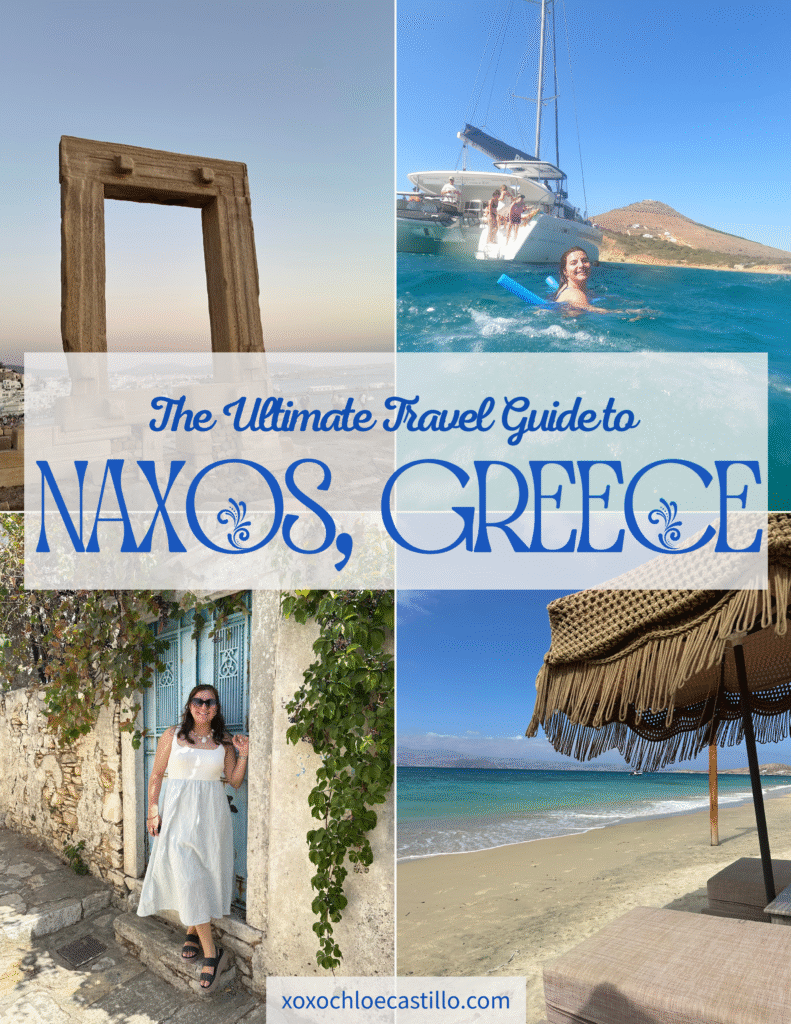
The Ultimate Guide to Naxos, Greece

If you’re dreaming of Greek island life without the shoulder to shoulder crowds of Santorini or Mykonos, let me introduce you to Naxos, the largest island in the Cyclades. While Santorini and Mykonos dominate the headlines for good reason, Naxos quietly steals hearts with its long sandy beaches, charming mountain villages, and relaxed pace of life. It feels authentic, spacious, and uncrowded, especially when you are looking for the perfect beach to lounge on without fighting for a sunbed. Naxos is also rich in history. The iconic Portara, also known as the Temple of Apollo, located at the entrance of the harbor, is one of the most photographed landmarks in the Cyclades and an unforgettable spot for sunset. We visited in mid September, which felt like the perfect time. Warm days, fewer crowds, and an overall ease to everything from driving the island to securing beach club reservations. From inland villages to slow seaside mornings, Naxos offered a well-rounded and enjoyable island experience. This guide covers everything you need to know, from how to get there and how to get around, to the most beautiful places to explore, so you can experience Naxos at its best. Flying to Naxos Flights between Greek islands are short and help avoid the uncertainty that can sometimes come with ferry schedules. We flew from Athens to Naxos, and the experience was smooth, scenic, and stress free. If you are short on time or prefer a more seamless travel day, this is the option I would recommend. Arriving by Ferry Naxos is also accessible by ferry from Athens and other nearby islands. If you arrive by sea, you will dock at the Port of Naxos, which sits right beside one of the island’s most iconic landmarks, the Portara. While ferries are a classic part of Greek island travel, they can be subject to delays and weather conditions, so flexibility is key. Read: How to Take Ferries in GreeceInsert internal link here Hi! I’m Chloe, someone who’s always been drawn to creative spaces. I work from home, and in my free time, I started this blog as a way to share what I love. Over the past 3 years, my husband and I have traveled to 15 countries, turning our passion for exploring the world into unforgettable experiences and stories. Read More Where you stay in Naxos will shape your experience, but there is truly no wrong choice, just different vibes. Naxos Town, also called Chora, is ideal for first time visitors, dining, shopping, nightlife, and historic sites. Beach areas such as Plaka, Agia Anna, and Mikri Vigla are perfect for a slower, seaside focused stay. Mountain villages are best for travelers seeking a traditional and peaceful atmosphere, especially if you have a car. Staying near Naxos Town offers the most flexibility and makes it easy to balance sightseeing, beach time, and evenings out. We stayed in Naxos Town and it was perfect. We rented this Airbnb and loved it! It was walkable to the main restaurant and shopping area, which made mornings and evenings effortless, yet far enough away to feel quiet. The apartment also included shared parking, which was incredibly helpful. While parking in town can be tricky at times, we were always able to find a spot. PIN THIS GUIDE! Naxos is one of the few Cycladic islands where renting a car truly enhances your trip. Public buses do connect major areas, but many of the island’s most charming villages, archaeological sites, and beaches are easiest to reach by car. We rented from Summer Cars and Bikes, picked up our car shortly after arriving at the airport, and found the entire process simple and efficient. They even picked up the car directly from our Airbnb since we took a ferry from Naxos to Santorini. It was one of the easiest car rental experiences we had in Greece. Do You Need an International Driver’s License? Technically, Greek law requires your state issued driver’s license and an International Driving Permit. That said, Americans typically are not asked for one. We did not have an international permit and had no issues anywhere in Greece. Our state issued driver’s licenses were sufficient. Helpful Tip Gas stations in Santorini are not self-service. An attendant will pump the gas for you, so simply pull up, tell them how much fuel you’d like or to fill it up, and they’ll take care of the rest. Interactive Map of Naxos GreeceThis interactive map includes the must see places in Naxos, from beaches and scenic viewpoints to villages, landmarks, and natural attractions. Save this map to Google Maps to easily navigate the island and plan your trip. Portara, the Temple of Apollo Standing on a small islet just off Naxos Town, the Portara is the marble gateway of an unfinished temple dedicated to Apollo, dating back to the sixth century BC. It is one of the most iconic sights on the island and an unforgettable place to visit at sunset, when the marble frame glows against the sea and sky. We visited for sunset and it was incredible. Just be aware you might get a little splashed by the waves on the walk over.  Wander Through Naxos Town, also called Chora Naxos Town is where ancient history and everyday island life intersect. Venetian architecture rises above whitewashed alleys, while cafés, boutiques, and bakeries line the streets below. Highlights include Naxos Castle, a Venetian fortress overlooking the town, the Archaeological Museum, home to Cycladic artifacts and sculptures, and the lively market street, perfect for wandering and souvenir shopping. Chora feels vibrant yet relaxed, especially in the evenings. Explore the Mountain Villages Heading inland reveals one of Naxos’ most special qualities, its traditional villages, each with its own character and pace. Chalki, also called Halki, was once the island’s capital and is elegant and quietly charming. Neoclassical buildings line the streets, and the artisan shops are fun to browse. Café Chalki is the perfect spot to stop and people watch. We had breakfast

Scroll to Top